Books by Dave Whitaker

Check out Toolbox Training books and more at WritbyWhit.com or David L. Whitaker's author page at Amazon.com.

Showing posts with label nature activities. Show all posts

Friday, June 19, 2015

June 19: Butterfly Day

image from nhm.org

Kids can make their own butterfly feeders in honor of Butterfly Day.


Butterfly Feeder

Materials:

  • small jar with a lid, such as a baby food jar or jelly jar
  • sugar
  • water
  • cotton
  • materials for decorating feeders if desired
  • means for hanging feeders

Directions:

  1. Make a small hole in the lid of the jar.
  2. Make butterfly food by dissolving one part sugar in nine parts water.
  3. Fill the jar with butterfly food.
  4. Screw the lid tightly onto the jar and poke a small piece of cotton into the hole.
  5. Decorate jars with paint or decoupage. Butterflies locate their food sources by sight, so the more he feeder looks like a plant or flower, the better the chance of attracting butterflies. It may also help to cut out some fabric or plastic petals and fasten them to the lid of your feeder.
  6. Invert the jar and hang it in the garden.

Source(s): 100 Nature Activities for Kids (Activity H4)

Wednesday, June 17, 2015

June 17: Eat Your Vegetables Day

image from transforming-science.com

Try these unique ways to grow vegetables!


Growing Vegetables

Materials:

  • variety of fruit and vegetable seeds
  • small pots
  • good garden soil
  • avocado pits
  • toothpicks
  • glass jars
  • water
  • potato and sweet potato cuttings
  • carrot tops

Directions:

  1. Plant seeds in pots with soil, about twice as deep as they are wide.
  2. Stick toothpicks in avocado pits to support them on top of a glass filled with water. The wide end of the seed should be just submerged in the water. Keep glass filled with water.
  3. For potatoes and sweet potatoes, make sure cutting has at least one “eye,” which is where the potato vine will grow. The eye needs to be out of the water.
  4. Carrot tops will also grow this way if the root end is kept submerged.
  5. All of these must be transplanted to soil eventually; water alone won’t keep the plants growing.

Source(s): Adapted from bizarrelabs.com for 100 Nature Activities for Kids (Activity F5)


Check out the full June calendar. It includes floating holidays, specialty weeks, and specialty months.

Saturday, May 16, 2015

May 16: Love a Tree Day

image from nestinggypsy.com


Measuring the Height of a Tree

Materials:

  • Tape measure
  • Yardstick

Directions:

  1. Use the tape measure to measure off exactly 25 feet from the tree you wish to measure.
  2. With the zero end of the yardstick downward, hold the yardstick exactly 25 inches from your eye.
  3. Line up the bottom of the yardstick with the base of the tree.
  4. Note which inch line marks the top of the tree. Each inch equals one foot of the tree’s height.
  5. If the tree is taller than the yardstick, stand 50 feet away from tree. Follow steps 2-4 again, but this time double the final number. If still taller, than back away 75 feet, follow steps 2-4, and triple the number. For 100 feet, 4x the number, etc.
Source(s): BizarreLabs.com; featured in Toolbox Training’s 100 Nature Activities for Kids card set (activity F4). You can also check out activity B7 from 100 Construction Activities for Kids to see how to make a tree from rolled up newspapers.


Check out the full May calendar. It includes floating holidays, specialty weeks, and specialty months.

Wednesday, May 13, 2015

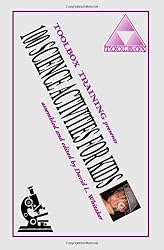
Book: 100 Nature Activities for Kids

These activities focus on rocks, leaves, plants, animals, and other aspects of the outdoors. On many of the projects, kids can observe and experiment. Some activities bring in an art element while others, such as the camping activities, lend themselves to dramatic play. These 100 activities have been compiled and edited with school-agers (5-12 years old) in mind, but can be adapted to other ages.. Catalog number: NTBK0515; Price: $9.95

Also available from Amazon.com.

Friday, May 1, 2015

May 1: Plant a Flower Day

image from musingsfromoz.typepad.com


Milk Carton Gardens

Materials:

  • variety of seeds
  • milk cartons or egg cartons
  • potting soil
  • spoons
  • water
  • water can or cups

Directions:

  1. This activity can be done in or outdoors. If done inside, use plenty of newspaper underneath.
  2. Discuss different types of seeds. See if children can guess what grows from each kind.
  3. Let children choose which kind of seed they would like to plant.
  4. Put small holes in the bottom of the cartons.
  5. Children should label their carton.
  6. Fill the cartons with potting soil and then plant the seeds.
  7. Water and place in a sunny spot.
  8. Observe the seeds over the summer and discuss any changes that may occur.
  9. Don’t forget to water periodically!
Source(s): Toolbox Training’s 100 Nature Activities for Kids card set (activity F4).


Check out the full May calendar. It includes floating holidays, specialty weeks, and specialty months.

Saturday, October 18, 2014

October 18: Dinosaur Month

image from guardian.co.uk

For dinosaur month, kids can do their own archaeology dig.


Archaeology Dig

Materials:

  • toy dinosaurs
  • assorted rocks, shells, fossils, bones, etc.
  • individual paper bowls
  • plaster of Paris
  • water
  • tools for digging such as metal forks
  • stiff brushes

Directions:

  1. Gather materials to be buried in the plaster.
  2. Trace each object on a piece of paper. This will create a map to go by when digging later.
  3. Mix plaster of Paris and pour over objects.
  4. Hide objects a layer at a time.
  5. After plaster of Paris dries, kids can dig up the objects.
  6. This is messy, so is best done outside or over newspaper.
  7. This activity may also take several days to complete.
  8. Once plaster has hardened from hidden treasures activity, kids can now dig up the objects.
  9. As each object is found, it can be placed on the map.

Source(s): From Toolbox Training’s nature card set (activities D2-D3).

Also check out the construction card set (activity M8).


Check out the full October calendar. It includes floating holidays, specialty weeks, and specialty months.